
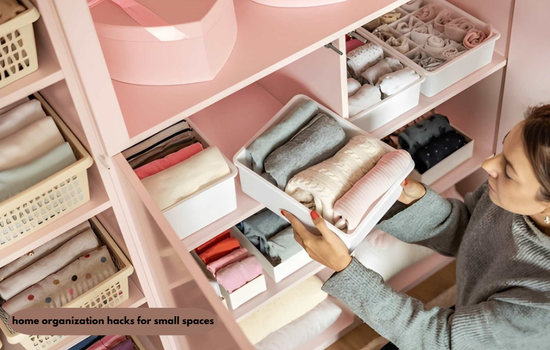
Home Organization Hacks for Small Spaces on a Budget
Living in a small space often feels like a constant battle against physical clutter and everyday frustration. Fortunately, you don’t need a massive budget or professional help to regain control of your home. The most effective home organization hacks for small spaces combine vertical storage, multipurpose furniture, and a strict one-in-one-out decluttering habit—all of which cost little to nothing and can be set up in a single weekend.
What Are the Best Home Organization Hacks for Small Spaces?
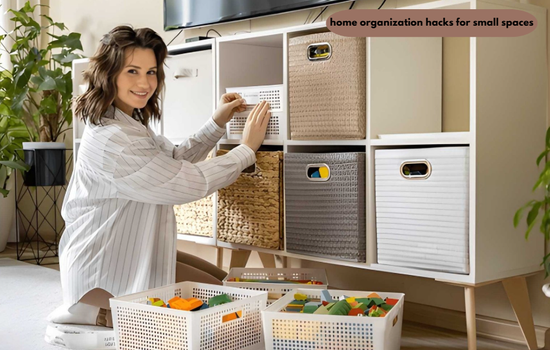
The most effective small space organization strategies focus on using wall and door space you’re already paying for but not using.
Most apartments and starter homes waste close to a third of their usable storage potential simply because people stack things on floors and countertops instead of looking up. Here are the hacks that consistently deliver results without requiring a big budget.
- Install floating shelves above doorways and in corners where furniture can’t reach, since this reclaims dead vertical space that most people ignore entirely.
- Swap your coffee table or nightstand for one with hidden storage compartments, because furniture that does double duty eliminates the need for extra bins.
- Use tension rods inside cabinets to create a second shelf level for cutting boards, trays, or cleaning supplies.
- Hang a shoe organizer on the back of a closet door and use it for cleaning products, snacks, or craft supplies instead of shoes.
- Label everything, even in small apartments, because labeled systems reduce the time people spend searching for items by a significant margin, according to organizing research cited by The Container Store’s professional organizing division.
These same principles are the backbone of simple life hacks for everyday problems, where the goal is always removing friction from daily routines rather than just making things look tidy for a photo.
How do you organize a small space with no storage?
You create storage rather than search for it, using items that already serve another purpose in the room.
- Use over-the-door hooks and racks, which require no drilling and instantly free up drawer space.
- Slide flat bins under beds and couches to store out-of-season items.
- Repurpose a bar cart or rolling kitchen island as a mobile storage unit that moves wherever it’s needed.
What is the 80/20 rule in home organization?
The 80/20 rule means you likely wear or use only 20 percent of your belongings 80 percent of the time, so organizing efforts should prioritize that core 20 percent for easy access.
This principle, often traced back to Pareto’s original economic observation, has become a staple in professional organizing because it forces people to stop treating every item as equally important. When you apply it to a closet or kitchen drawer, the rarely used items move to harder-to-reach storage, and the daily essentials stay front and center.
Dollar Store Organization vs. Custom Closet Systems, Which Saves More Money?
Not every organizing solution needs to come from a specialty store, and comparing the two extremes makes the budget-friendly path pretty obvious.
| Factor | Dollar Store Bins & Baskets | Custom Closet System |
| Average cost | $1 to $5 per item | $2,000 to $8,000 installed |
| Installation time | Immediate, no tools needed | 1 to 3 weeks with a contractor |
| Durability | 1 to 3 years with regular use | 15 to 20 years |
| Best for | Renters, small budgets, quick fixes | Homeowners planning to stay long-term |
Budget organizing tools clearly win for anyone who isn’t planning to stay in the same home for a decade. A lot of the impocoolmom hacks that circulate online lean into this exact idea, showing that clear bins from a dollar store can organize a pantry or bathroom just as effectively as a $200 system when they’re used consistently.
Are dollar store bins worth it for organization?
Yes, dollar store bins are worth it when you need immediate, low-risk storage without committing to a permanent system.
- Clear bins let you see contents at a glance, which cuts down on duplicate purchases.
- Stackable versions maximize vertical space in cabinets and closets.
- They’re easy to replace or resize if your storage needs change.
How much does professional closet organization cost?
Professional closet organization typically runs between $2,000 and $8,000 depending on materials and closet size, according to pricing data from HomeAdvisor’s remodeling cost guides. That price point makes it a long-term investment rather than a quick fix, which is why most renters and budget-conscious homeowners start with modular, non-permanent solutions instead.
How Can You Organize a Small Apartment on a Tight Budget?
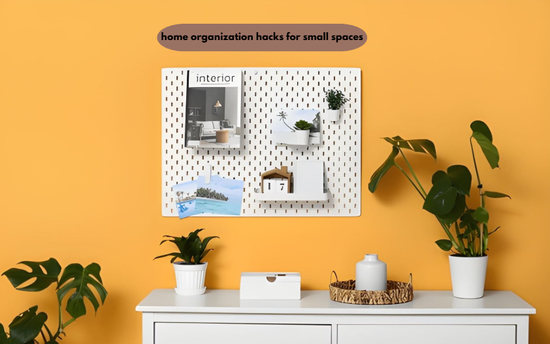
Organizing a small apartment on a budget comes down to choosing flexible, non-permanent products that maximize every inch without requiring a lease-breaking renovation.
Home organization hacks for small spaces are especially useful for renters, since most leases prohibit major structural changes. The good news is that nearly all of the highest-impact solutions are removable and reusable if you move.
- Command strips and adhesive hooks hold surprisingly heavy loads without damaging walls.
- Stackable drawer organizers turn one deep drawer into three usable compartments.
- A pegboard mounted with removable strips creates a customizable wall storage system in a kitchen or craft area.
- Vacuum storage bags compress bulky items like blankets and winter coats to a fraction of their size.
- Magnetic strips inside cabinet doors keep small metal tools and spice tins off the counter entirely.
These budget strategies overlap heavily with life hacks for busy moms, since the same tools that save space also save time, which matters most when you’re managing a household on a tight schedule.
What are cheap organization products that work?
The most effective cheap organization products are the ones that adapt to multiple rooms rather than serving just one purpose.
- Tension rods work in cabinets, closets, and even under sinks.
- Clear stackable bins fit pantries, bathrooms, and craft supplies equally well.
- Command hooks handle everything from coats to hanging plants.
How do renters organize without drilling holes?
Renters can rely almost entirely on adhesive, tension-based, and freestanding storage solutions that leave zero permanent marks.
- Tension rod shelving systems hold weight without a single screw.
- Freestanding shelving units add vertical storage anywhere in a room.
- Removable adhesive hooks rated for several pounds handle bags, towels, and light fixtures.
Why Does My Small Space Still Feel Cluttered After Organizing?
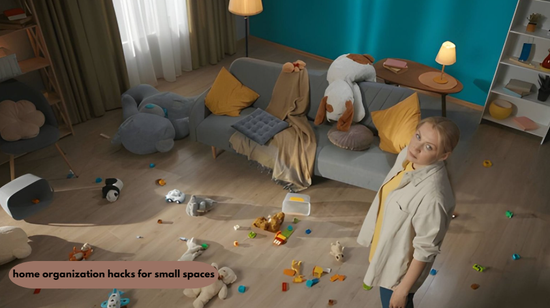
A space still feels cluttered after organizing when storage systems don’t match daily habits, so items get put back in the wrong place out of convenience.
Why do organization systems fail?
Organization systems fail most often because they’re too complicated for the way people actually live day to day.
- Too many small bins create extra steps between grabbing an item and using it.
- Systems that aren’t labeled clearly lead to items getting shoved wherever there’s space.
- Storage placed too high or too low gets skipped entirely because it’s inconvenient to reach.
Learning how to improve your life impocoolmom style often starts with this exact realization, that simplifying the system matters more than buying more containers.
How often should you declutter a small home?
A small home should be decluttered at least once every three months, since smaller spaces fill up with unused items much faster than larger homes do. A seasonal declutter schedule keeps buildup from becoming overwhelming and gives you a natural checkpoint to reassess what’s actually being used.
Quick Daily Habits That Keep Small Spaces Organized
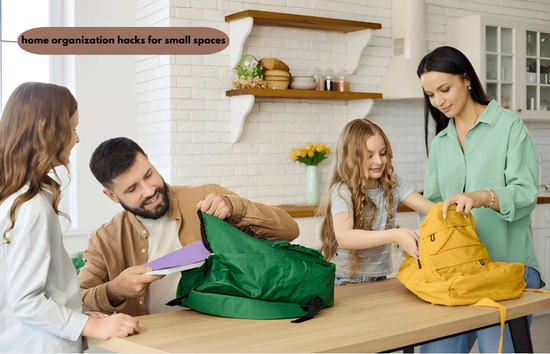
Small daily habits prevent the need for major reorganizing later, and they take only a few minutes once they become routine.
- Put items away immediately after use instead of setting them down for later.
- Do a five-minute nightly reset of common areas before bed.
- Sort mail and packaging the moment it enters the home to avoid paper pileup.
- Keep a donation bag in a closet and add to it continuously rather than waiting for a big purge.
- Tips life impocoolmom followers often share involve pairing a daily habit with an existing routine, like tidying counters while coffee brews, so the habit sticks without extra effort.
- Reassess one drawer or shelf each week rather than trying to overhaul the entire home at once.
These habits, paired with the tools from impocoolmom content focused on realistic, no-fuss home management, tend to stick longer than any single organizing product ever could.
Frequently Asked Questions
What is the cheapest way to organize a small home?
The cheapest way is repurposing items you already own, like shoeboxes and jars, alongside a handful of dollar store bins for under $20 total.
How do I maximize storage in a tiny apartment?
Maximize storage with vertical wall space, multipurpose furniture, and under-bed containers before adding any square footage.
What organization mistakes make small spaces look messier?
Overfilling bins, skipping labels, and picking storage that doesn’t fit your daily habits are the most common mistakes that undo all your organizing.
Final Thoughts
None of this requires a full renovation or a big budget, and that’s really the point. Home organization hacks for small spaces work because they respect how people actually live, not because they look perfect in a photo. Start with just one room this weekend, apply two or three of these hacks, and see how much room you actually have once the clutter stops competing for space.
Pingback: 15-Minute Decluttering Hacks for Busy Families: Simple Routines That Work Impocoolmom Hacks